AC Condensate Leak Water Damage in Indio, CA
An attic air handler can make gallons of condensate a day in Indio heat. When the drain clogs or the pan rusts through, the water lands on the ceiling below. The drying team maps it and dries it.
(888) 450-9281Call before the drip reaches the drywall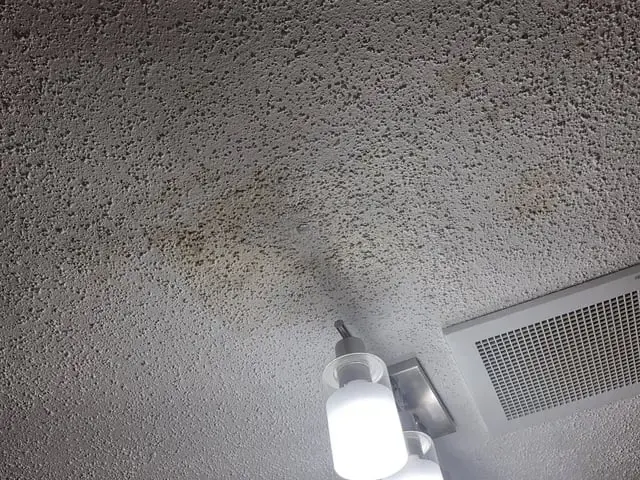
How AC condensate leak water damage is handled in Indio
Rapid local response
The restoration team works day and night across Indio and the Coachella Valley, and an active leak is treated as urgent.
IICRC S500 drying standard
Drying follows the industry standard: structural drying, not just surface drying, with the goal checked on a meter.
Claim-ready documentation
The moisture map, daily readings and timestamped photos go into a file an adjuster can work from.
Coachella Valley water experts
Attic AC overflows, heat-worn lines, monsoon runoff and slab homes are the daily work in this desert.
First steps for AC condensate leak water damage in Indio
- 1
Turn the AC off
Switch the system off at the thermostat to stop the overflow.
- 2
Catch the drip
Put a bucket under it and move furniture and electronics away.
- 3
Stay off a sagging ceiling
A bulging ceiling can hold a lot of water; keep people out from under it.
- 4
Photograph the stain
Take photos of the ceiling and vents before anything is opened.
How Indio AC leak damage is dried
Measure first, remove the water, dry to the room's load, then prove it dry with readings.
- 1
Map the moisture
The tech who does the walkthrough maps moisture with thermal imaging and pinless meters before any equipment goes down.
- 2
Pull the water
The extraction crew removes standing water with truck-mounted extraction, so it leaves the building instead of spreading.
- 3
Set the drying
The drying team sizes air movers and LGR dehumidifiers to each room's evaporation load and runs them around the clock.
- 4
Read, log, verify
The team logs readings daily until wet materials sit within 2 to 4 points of a dry reference, and the log goes into the claim file.
What does AC condensate leak water damage cost in Indio, CA?
In Indio, CA, AC condensate leak water damage restoration typically runs $600 to $4,500, depending on how long the leak ran, how much ceiling and insulation got wet and whether water traveled down into walls. The HVAC repair is priced separately.
- Moisture mapping
- Drying in place
- Daily readings
- Wet insulation removal
- Ceiling section replaced
- LGR dehumidifier
- Ceiling and wall removal
- Category 2 cleaning
- Extended drying
For a closer planning number, try the water damage cost calculator. A firm price comes from the restoration company after it sees the damage.
Air conditioners in the Coachella Valley run for most of the year, and many Indio homes keep the air handler and its drain pan in a hot attic. Cooling pulls moisture out of the indoor air, and that condensate has to drain away through a small pipe. When algae, dust or a sagging run blocks it, the pan fills, and if the float switch is missing or stuck, the overflow goes straight into insulation and drywall.
Signs the AC is leaking into the ceiling
- A brown ring or bubbling paint near a supply vent or the attic hatch
- Water dripping from a vent or a light fixture
- A musty smell when the system starts
- The system shutting off on its own, a sign a float switch has tripped
How the drying team handles it
An HVAC technician clears the drain and repairs the pan or switch. The water damage side is separate work. The tech who does the walkthrough scans the ceiling with thermal imaging, checks the attic insulation and follows any water that ran down inside the walls. Wet blown-in insulation usually has to be removed because it packs down and holds water against the drywall. Ceiling drywall that sagged or softened comes out; drywall that stayed firm can often be dried in place with air movers and dehumidifiers.
Condensate that sat in a pan for weeks is usually treated as Category 2 water. A slow leak also means the ceiling may have been wet far longer than the stain suggests.
Keeping the next overflow from happening
A float switch that shuts the unit off when the pan fills, a drain cleared each spring and a secondary pan under attic units are the common fixes. Energy.gov air conditioner maintenance tips cover the condensate drain, and the EPA mold and moisture pages explain why a damp ceiling should be dried quickly.
AC Condensate Leak Water Damage in Indio: common questions
Why does my AC leak water into the ceiling?
The condensate drain is clogged, the drain pan is rusted or cracked, or the float switch failed. With the air handler in the attic, the overflow lands on the ceiling.
Should I turn the AC off?
Yes. Switch it off at the thermostat to stop making condensate, move belongings out from under the drip and call.
Does wet attic insulation have to be replaced?
Blown-in insulation that got soaked usually does, because it packs down and holds water against the ceiling. Batts that stayed mostly dry can sometimes stay.
Can the ceiling drywall be saved?
Often, when it is still firm and readings drop quickly. Drywall that sagged, softened or kept a high reading is cut out and replaced.
How common are AC leaks in Indio?
Very common. Long cooling seasons, attic air handlers and algae in condensate drains make them one of the most frequent water losses in the Coachella Valley.
Is AC condensate damage covered?
A sudden overflow is often covered, while damage from a long, slow leak or lack of maintenance may be excluded. Coverage depends on your policy, so it is worth checking with your own insurer.
Water on the floor right now?
Water still spreading in an Indio home or business? The restoration team works day and night.
(888) 450-9281Call about an AC leak in IndioWhere the team handles AC condensate leak water damage around Indio
The restoration team covers all of Indio, from Old Town and Highway 111 to Sun City Shadow Hills, Terra Lago and Heritage Palms, plus Bermuda Dunes, Coachella, La Quinta and Indio Hills.
ZIP codes 92201, 92202 and 92203.
See every area coveredWater dripping from the AC in Indio? Get the drying started today.
The drying team maps the ceiling and attic, removes what cannot be saved and dries the rest to a measured goal.