Burst Pipe Water Damage in Indio, CA
A split supply line runs at full household pressure until someone shuts the main. The extraction crew pulls the water, and the drying team opens and dries the wall cavities it reached.
(888) 450-9281Get emergency water extraction started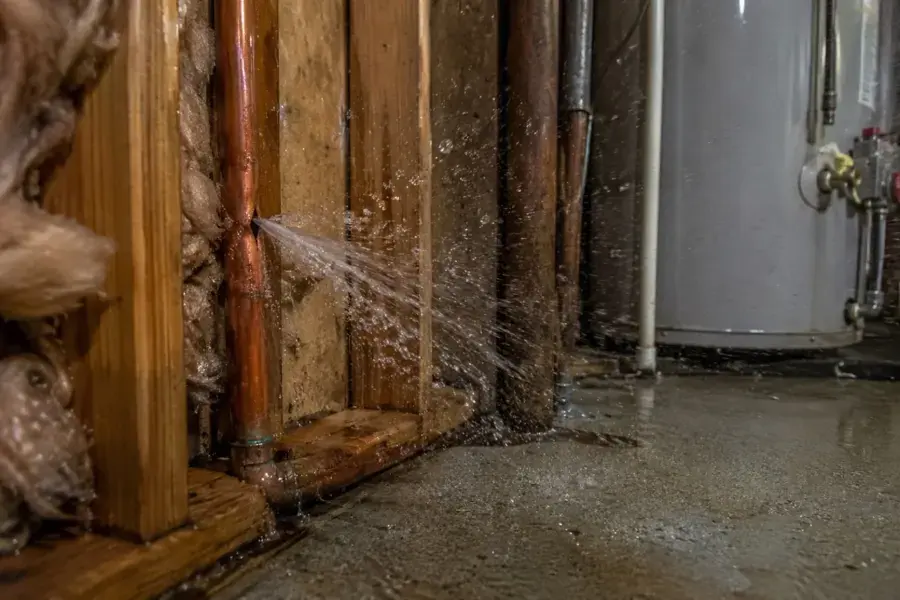
How burst pipe water damage is handled in Indio
Rapid local response
The restoration team works day and night across Indio and the Coachella Valley, and an active leak is treated as urgent.
IICRC S500 drying standard
Drying follows the industry standard: structural drying, not just surface drying, with the goal checked on a meter.
Claim-ready documentation
The moisture map, daily readings and timestamped photos go into a file an adjuster can work from.
Coachella Valley water experts
Attic AC overflows, heat-worn lines, monsoon runoff and slab homes are the daily work in this desert.
First steps for burst pipe water damage in Indio
- 1
Shut the main
Close the main shutoff or the meter valve right away.
- 2
Open a faucet
Relieve pressure in the lines by opening a low faucet.
- 3
Cut power if needed
Switch off breakers to wet rooms if the panel is dry.
- 4
Photograph the break
Capture the pipe and the water before anything is moved.
How Indio burst pipe damage is dried
Measure first, remove the water, dry to the room's load, then prove it dry with readings.
- 1
Map the moisture
The tech who does the walkthrough maps moisture with thermal imaging and pinless meters before any equipment goes down.
- 2
Pull the water
The extraction crew removes standing water with truck-mounted extraction, so it leaves the building instead of spreading.
- 3
Set the drying
The drying team sizes air movers and LGR dehumidifiers to each room's evaporation load and runs them around the clock.
- 4
Read, log, verify
The team logs readings daily until wet materials sit within 2 to 4 points of a dry reference, and the log goes into the claim file.
What does burst pipe water damage cost in Indio, CA?
In Indio, CA, burst pipe water damage restoration typically runs $1,000 to $7,500, depending on how much water was released, how many walls and rooms it reached, the flooring type and how quickly extraction started.
- Extraction
- Wall cavity drying
- Daily moisture readings
- Flooring and baseboard removal
- Drywall cuts where needed
- LGR dehumidifiers
- Ceiling and wall removal
- Insulation removal
- Extended structural drying
For a closer planning number, try the water damage cost calculator. A firm price comes from the restoration company after it sees the damage.
Freezing is rarely the problem in Indio. Heat and pressure are. Supply lines in attics and exterior walls sit in extreme summer temperatures, fittings and crimp rings age, older CPVC turns brittle, and high street pressure without a working regulator strains every joint. When a line splits, it can release hundreds of gallons an hour into a wall, a ceiling or across a slab floor.
Where burst pipe water goes
- Down the inside of the wall to the bottom plate and the slab
- Across the floor under baseboards and cabinets
- Through ceiling drywall when the break is in the attic
- Into the next room under a shared wall
Extraction first, then the cavities
After the main is shut and the line is repaired, the extraction crew removes standing water. The tech who does the walkthrough then maps the walls with thermal imaging and meters. Wall cavities that held water are opened low, often by removing baseboard and drilling or cutting a small section, so air can move through them. Air movers and LGR dehumidifiers run until each wall, the framing and the slab reach the drying goal.
Clean water from a supply line is Category 1, but it does not stay that way. After a day or two in warm walls and carpet it can degrade to Category 2, which changes what can be saved.
Documenting the loss
Timestamped photos, the moisture map and daily readings go into the file for the adjuster. The EPA WaterSense leak page shows where to find and test the main shutoff, and the EPA mold and moisture pages explain why wet walls need drying inside the 24 to 48 hour window.
Burst Pipe Water Damage in Indio: common questions
Why do pipes burst in a desert city?
Heat, pressure and age. Attic and exterior-wall lines sit in extreme temperatures, fittings and older CPVC wear out, and high water pressure strains joints.
Where is my main shutoff?
Most Indio homes have a shutoff near where the line enters the house, often by the garage or a front hose bib, plus the meter valve at the street box.
Do the walls have to be torn out?
Not always. Walls wet with clean water are often dried by opening them low and moving air through the cavity. Drywall that broke down or stayed wet comes out.
How long does burst pipe drying take?
A contained Class 2 loss usually dries in three to five days. Water that reached the slab or dense materials can take longer.
Can I run fans myself?
Fans alone move surface moisture around. Without dehumidification and meter checks, walls and the slab can stay wet while the room feels dry.
Is a burst pipe covered by insurance?
A sudden break is commonly covered after the deductible, while the pipe repair itself and slow leaks may not be. Coverage depends on your policy, so it is worth checking with your own insurer.
Water on the floor right now?
Water still spreading in an Indio home or business? The restoration team works day and night.
(888) 450-9281Call about a burst pipe in IndioWhere the team handles burst pipe water damage around Indio
The restoration team covers all of Indio, from Old Town and Highway 111 to Sun City Shadow Hills, Terra Lago and Heritage Palms, plus Bermuda Dunes, Coachella, La Quinta and Indio Hills.
ZIP codes 92201, 92202 and 92203.
See every area coveredPipe burst in an Indio home? Shut the main and call.
The extraction crew removes the water and the drying team dries every wall the water reached.